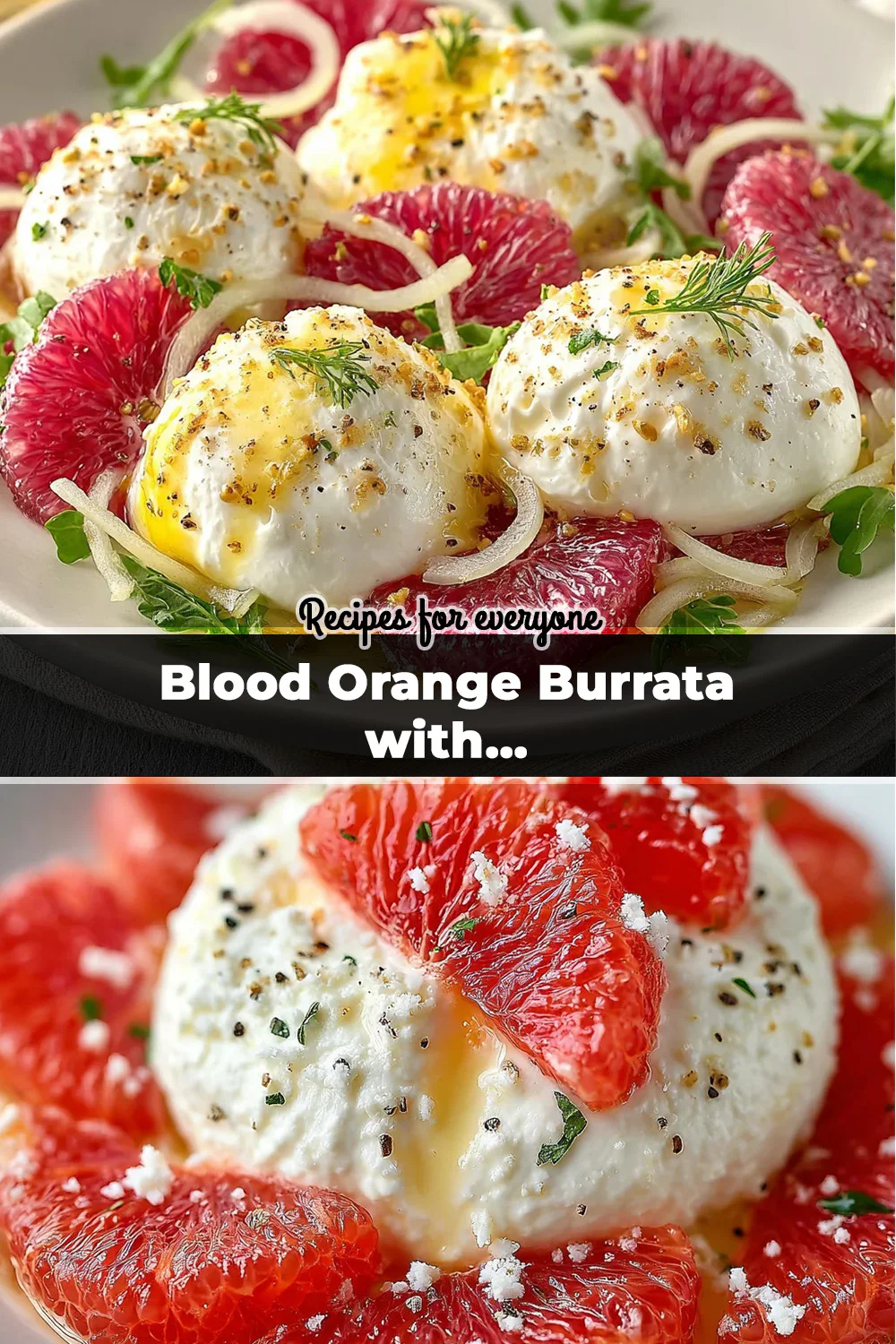
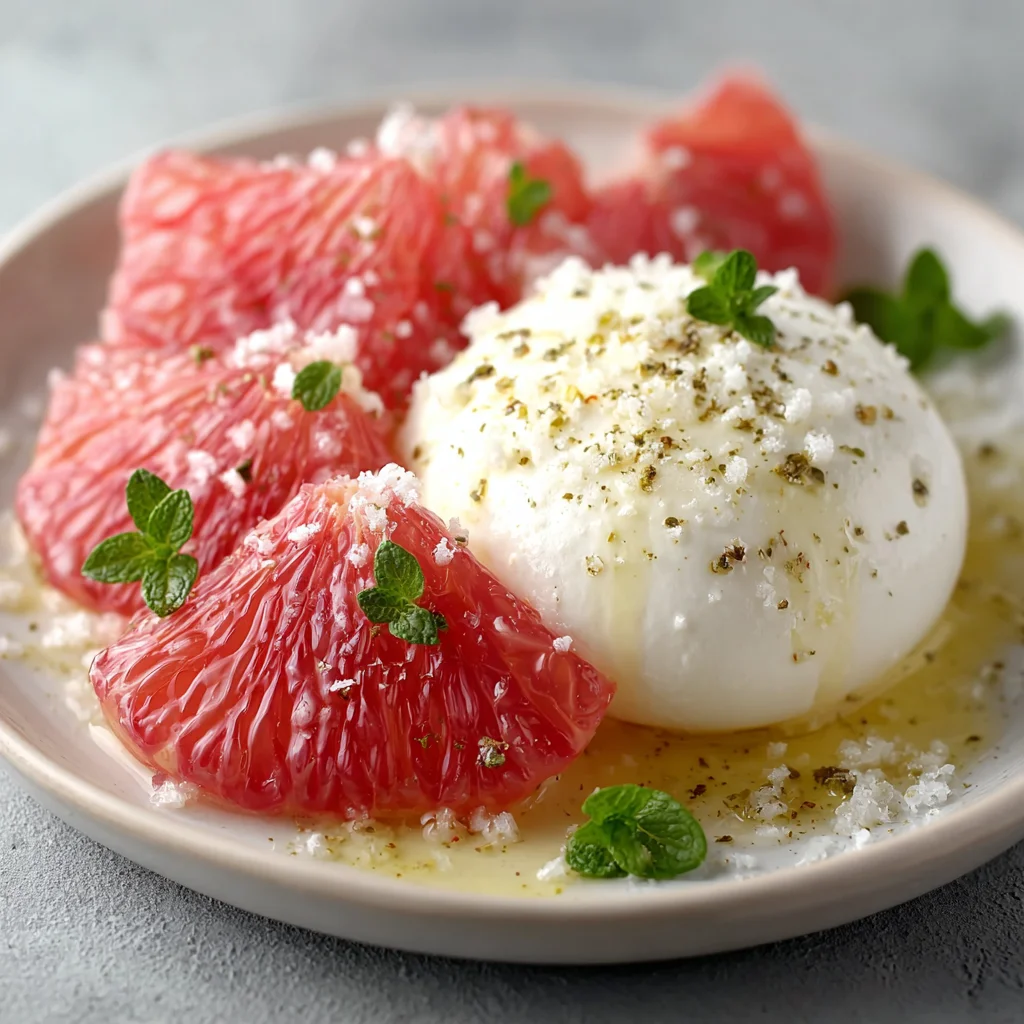
A creamy ball of burrata cheese rests on a plate, its delicate shell giving way to a rich, soft center. Beside it, vibrant segments of blood orange are arranged, their deep crimson color a striking contrast. Thin shavings of fresh fennel bulb add a crisp, anise-like crunch, and a scattering of briny olives provides a savory punch. The entire dish is lightly dressed with extra virgin olive oil, a drizzle of honey, and a sprinkle of flaky sea salt and cracked black pepper.
What You’ll Need: Ingredients for a Perfect Plate
This recipe is all about quality ingredients coming together with minimal fuss. For the best results, seek out the freshest components you can find.
For the Salad
- 1 large, high-quality burrata cheese (about 8 oz / 225g)
- 2 medium blood oranges
- 1 medium fennel bulb (fronds reserved)
- 1/3 cup mixed olives (such as Castelvetrano and Kalamata), pitted
- 1 small shallot, thinly sliced
- Fresh mint or basil leaves, for garnish
For the Simple Dressing
- 3 tablespoons extra virgin olive oil
- 1 tablespoon fresh blood orange juice
- 1 teaspoon honey or maple syrup
- 1/2 teaspoon finely grated orange zest
- Flaky sea salt (like Maldon) and freshly cracked black pepper
Crafting Your Dish: Step-by-Step Instructions
Follow these detailed steps to build a salad that’s as beautiful as it is delicious. The key is in the preparation of each component.
Step 1: Prepare the Citrus and Aromatics
Start by segmenting the blood oranges. Using a sharp knife, slice off the top and bottom of each orange so it sits flat on your cutting board. Following the curve of the fruit, cut away the peel and white pith. Hold the orange over a bowl to catch juices, then carefully slice between the membranes to release the individual segments. Place the segments in a separate bowl and squeeze the remaining membrane over your juice bowl to extract every last drop—you’ll need about a tablespoon for the dressing.
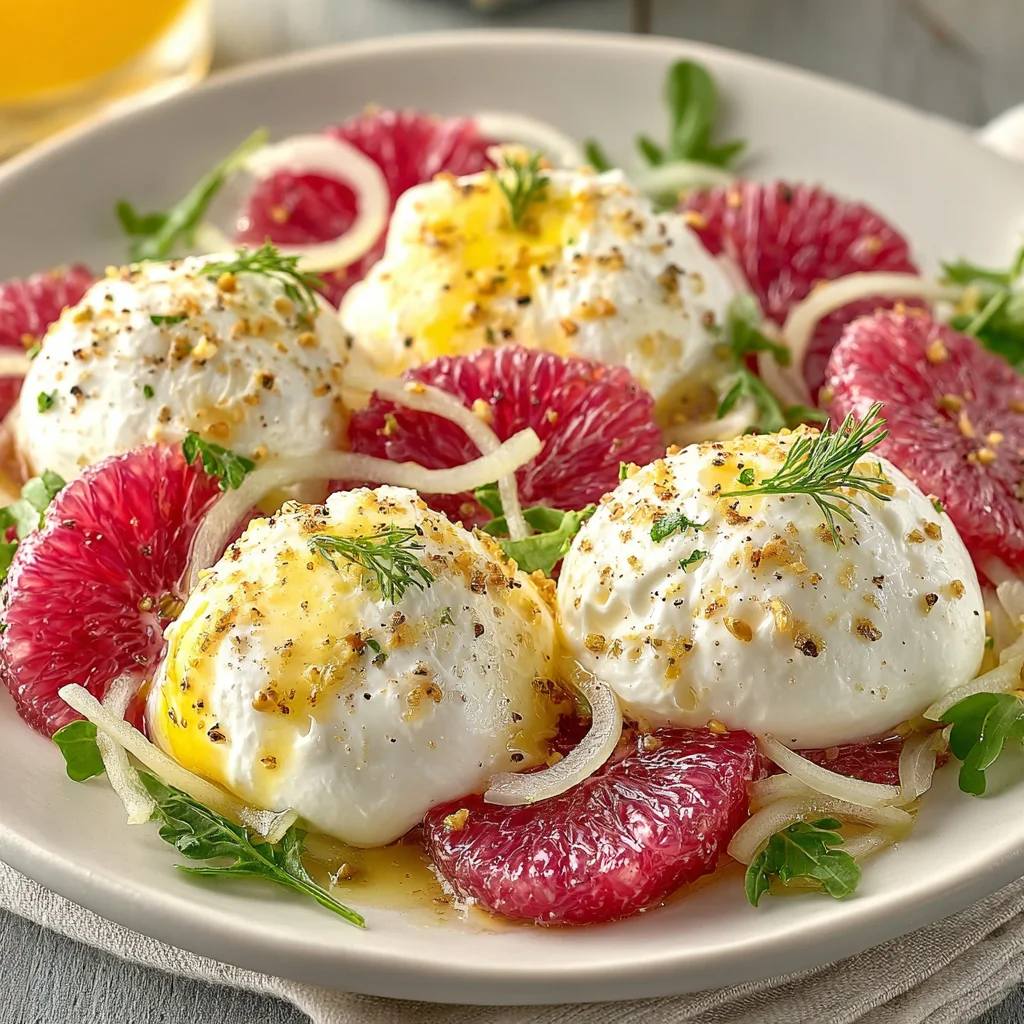
Beginner Tip: If segmenting feels tricky, simply peel the oranges and slice them into thin rounds. They’ll be just as tasty and visually appealing.
Step 2: Slice and Crisp the Fennel
Trim the fennel bulb, removing any tough outer layers. Cut the bulb in half lengthwise, then, using a mandoline or a very sharp knife, shave it into paper-thin slices. Immediately place the slices in a bowl of ice water for 10-15 minutes. This step is magical—it crisps the fennel dramatically and tames any overly sharp licorice notes, leaving you with a wonderfully fresh and crunchy texture. Drain and pat dry thoroughly before using.
Step 3: Compose the Dressing and Assemble
In a small jar or bowl, combine the 3 tablespoons of olive oil, 1 tablespoon of the reserved blood orange juice, honey, and orange zest. Whisk or shake vigorously until the mixture is slightly emulsified. Season with a pinch of flaky salt and black pepper.
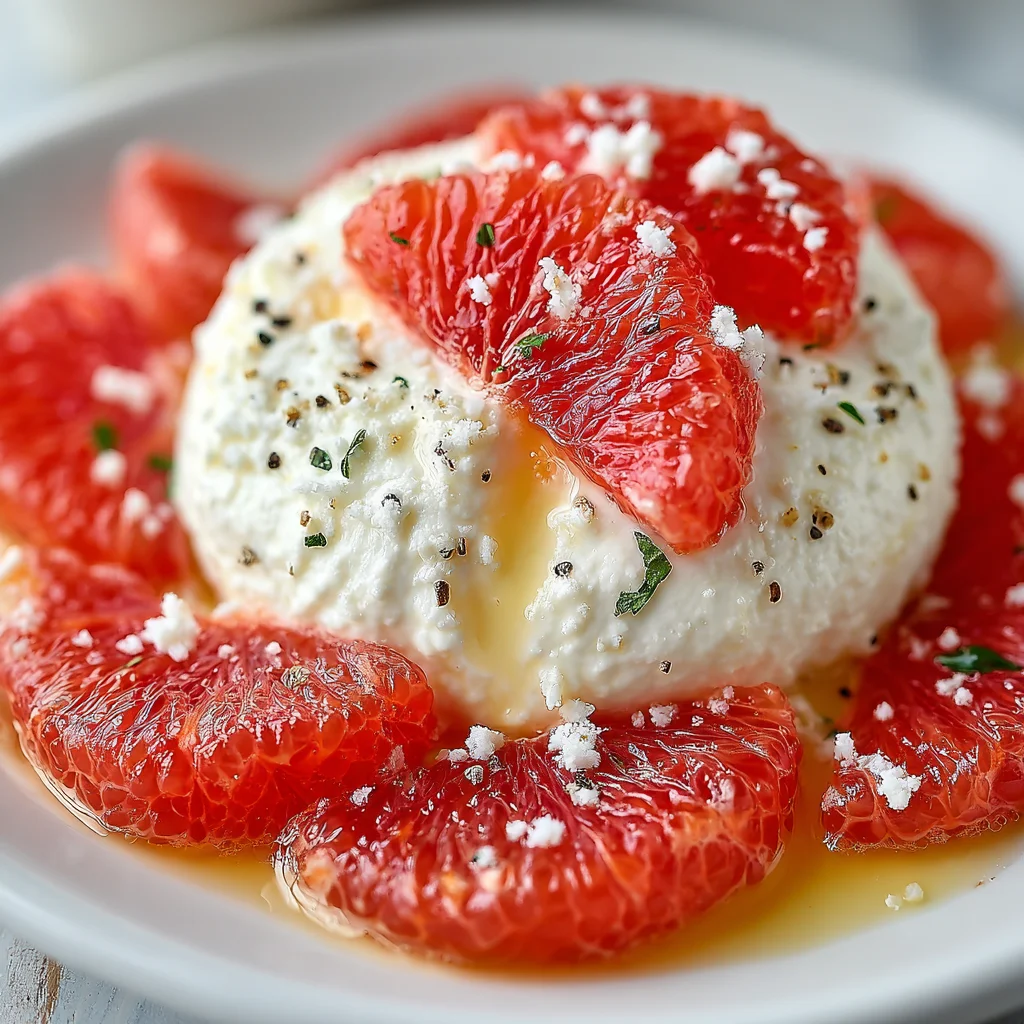
On a large serving plate or shallow bowl, create a bed with the well-drained, shaved fennel and the thinly sliced shallot. Gently place the whole ball of burrata in the center. Artfully arrange the blood orange segments and scattered olives around the cheese. Pick a few of the delicate fennel fronds and some mint leaves for garnish.
Step 4: The Final Flourish
Drizzle the entire dish with the prepared dressing. Finish with an extra pinch of flaky sea salt and a few more cracks of black pepper directly over the burrata and oranges. Serve immediately, allowing your guests to break into the glorious, creamy center of the burrata and mix everything together on their plates.
Getting It Right: Helpful Hints for First-Timers
- Burrata Handling: Take the burrata out of the fridge about 20-30 minutes before serving. It should be cool but not ice-cold, allowing its creamy texture to truly shine.
- Fennel Fronds are Gold: Don’t discard the wispy green fronds! They are a beautiful, flavorful herb that perfectly complements the salad. Treat them like delicate dill.
- Balancing Act: Taste an olive before adding them. If your olives are particularly salty, you may want to rinse them briefly under cold water to prevent overpowering the dish.
- Knife Skills: A sharp knife is non-negotiable for safely and cleanly segmenting citrus and shaving fennel. If you don’t have a mandoline, take your time with the knife.
Pro Moves & Simple Swaps
This recipe is wonderfully adaptable. Here’s how to tweak it based on season or preference.
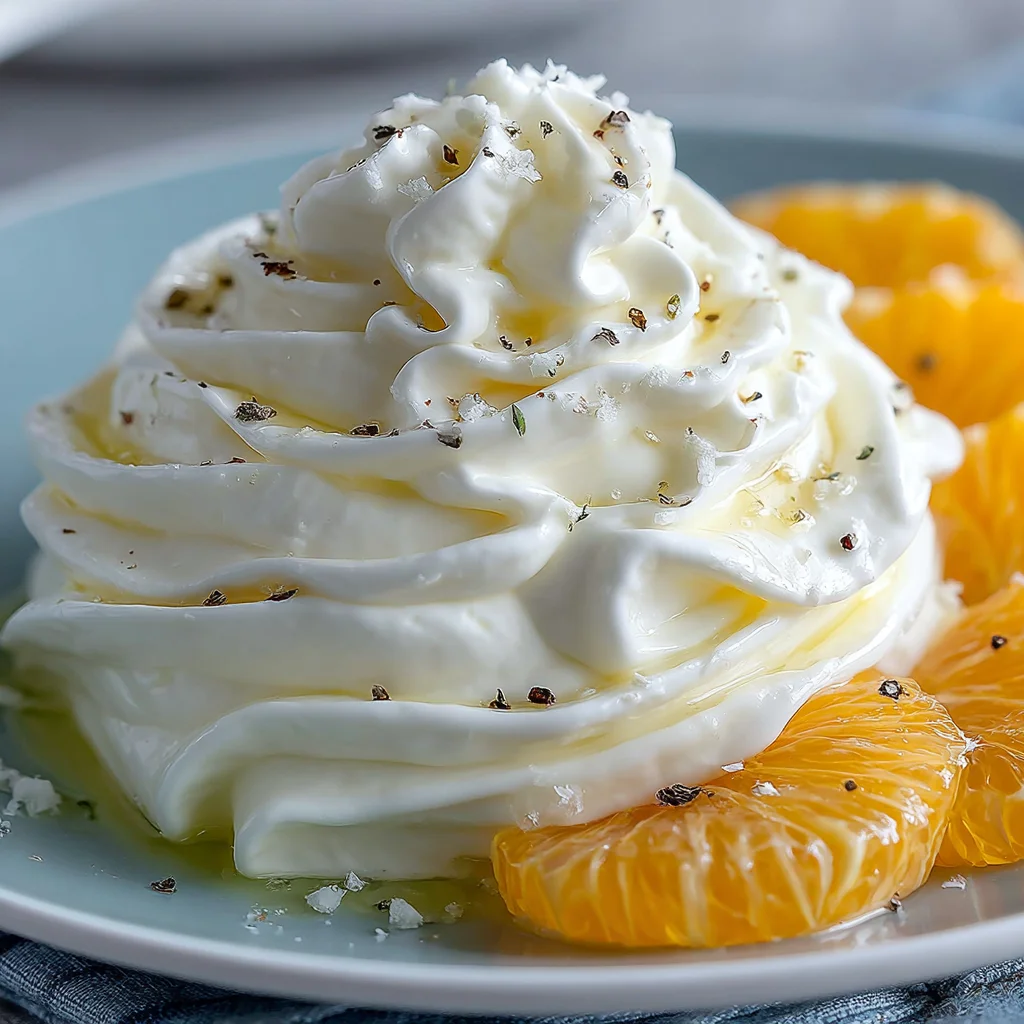
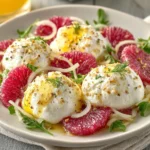
15. Burrata with Blood Orange, Fennel, and Olives
- Total Time: 20 minutes
- Yield: 4 servings
Description
A vibrant and elegant appetizer featuring creamy burrata paired with sweet blood oranges, crisp fennel, briny olives, and a bright shallot vinaigrette.
Ingredients
- 1 large, high-quality burrata cheese (about 8 oz / 225g)
- 2 medium blood oranges
- 1 medium fennel bulb (fronds reserved)
- 1/3 cup mixed olives (such as Castelvetrano and Kalamata), pitted
- 1 small shallot, thinly sliced
- Fresh mint or basil leaves, for garnish
Instructions
- Make the vinaigrette: In a small bowl, whisk together the shallot, red wine vinegar, and a pinch of salt. Let sit for 5 minutes. Slowly whisk in the olive oil until emulsified. Season with black pepper.
- Prepare the salad: Using a sharp knife, cut the top and bottom off the blood oranges. Place cut-side down and slice away the peel and pith. Cut the oranges into thin rounds or segments (supremes).
- Trim the fennel bulb and slice it very thinly, preferably on a mandoline. Roughly chop about 1 tablespoon of the reserved fennel fronds.
- Assemble: On a large plate or platter, arrange the blood orange slices and fennel. Scatter the olives over the top.
- Place the burrata in the center. Gently tear it open slightly.
- Drizzle the vinaigrette evenly over the salad and burrata. Garnish with the chopped fennel fronds and fresh mint or basil leaves. Finish with a flaky sea salt and extra black pepper.
- Serve immediately with crusty bread.
Notes
For the best flavor, let the dressed oranges, fennel, and shallots sit for 5-10 minutes before adding the burrata to allow the flavors to meld. If blood oranges are unavailable, regular navel oranges or cara cara oranges make a good substitute. Ensure all components are cold for the most refreshing contrast with the creamy cheese.
- Prep Time: 20 minutes
- Cook Time: 0 minutes
- Category: Appetizer
- Method: Grilling
- Cuisine: Italian
Nutrition
- Serving Size: 1 serving
- Calories: 101
- Sugar: 0
- Sodium: 151
- Fat: 8
- Saturated Fat: 3
- Unsaturated Fat: 6
- Trans Fat: 0
- Carbohydrates: 0
- Fiber: 0
- Protein: 6
- Cholesterol: 13
- Cheese Swap: No burrata? A large ball of fresh mozzarella (bufala is ideal) or even a few dollops of fresh ricotta make a lovely, though less decadent, substitute.
- Citrus Switch: When blood oranges are out of season, use navel or Cara Cara oranges. For a more complex flavor, add a few segments of grapefruit.
- Add Some Crunch: Toasted pine nuts, pistachios, or marcona almonds add a fantastic textural contrast and richness.
- Herb Variations: While mint and basil are classic, tarragon or even a little fresh dill can be stunning with the fennel.
Presenting Your Masterpiece
This dish is a natural showstopper. Serve it on a large, white platter or a slate board to let the colors pop. Offer a crusty, grilled baguette or slices of sourdough on the side to scoop up every last bit of creamy cheese and dressing. For a more substantial meal, you can lay this salad over a base of peppery arugula or serve it alongside simply grilled fish or chicken.
How This Stacks Up: A Comparison
You might be familiar with a classic Caprese salad (tomatoes, mozzarella, basil). While both celebrate fresh cheese, this burrata dish is a winter-to-spring evolution. It trades the juicy acidity of tomatoes for the complex sweetness and vibrant color of blood oranges. The addition of fennel and olives introduces a savory, aromatic crunch that a traditional Caprese doesn’t have, making it a more layered and sophisticated starter or light meal, perfect for the cooler months when tomatoes aren’t at their peak.
Your Questions, Answered
Can I make any part of this ahead of time?
Yes, with a strategy. You can segment the oranges, shave and ice-bath the fennel, make the dressing, and pit the olives a few hours in advance. Store each component separately in the fridge. Assemble the entire dish just before serving to prevent the fennel from wilting and the burrata from weeping.
What if I can’t find blood oranges?
No problem! Regular navel oranges work beautifully. For a similar rosy hue, seek out Cara Cara oranges. The flavor will be slightly different but equally delicious.
How do I know if my burrata is fresh?
Check the “use-by” date and buy from a reputable source. The outer mozzarella shell should be smooth and tender, not tough or slimy. It should feel heavy for its size, a sign of a generous, creamy interior.
Is there a tool to make shaving fennel easier?
Absolutely. A mandoline slicer is the best tool for achieving perfectly thin, consistent slices. Always use the hand guard for safety. A sharp vegetable peeler can also work in a pinch for creating thin ribbons.
Can this be a main course?
For a light lunch, yes, especially if you add a protein like some flaked canned tuna or white beans mixed into the fennel, and serve with plenty of bread. For dinner, it’s best as a spectacular starter or side dish.
Final Thoughts
This Burrata with Blood Orange, Fennel, and Olives is more than a recipe—it’s a lesson in how a few exquisite ingredients can create a moment of pure delight. It requires no cooking, just a bit of thoughtful preparation and assembly. The result is a symphony of textures and flavors: cool and creamy, sweet and tart, crisp and briny. It’s the perfect dish to impress guests or to treat yourself to something wonderfully special. So, gather your ingredients, take your time with the knife, and prepare to create something truly wonderful. We’d love to see your beautiful results!